



2023/02/06
Solution of no-load loss of power transformer
The loss of power transformer mainly includes no-load loss and load loss two parts. The no-load loss of transformer mainly includes the hysteresis loss of core material, eddy current loss and additional loss, and because the no-load loss of transformer belongs to the excitation loss, it has nothing to do with the load.
2023/02/06
Review drawings, prepare detailed working instructions according to the manufacturer's materials and complete the approval.
2023/02/06
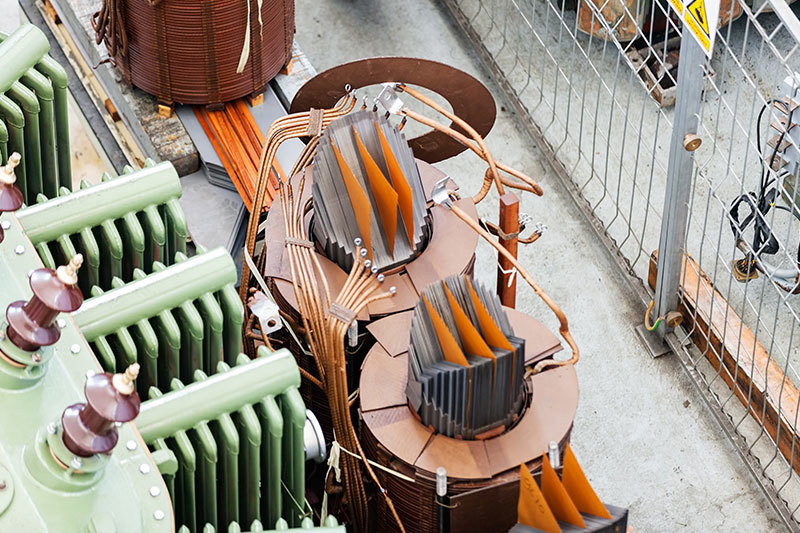
Classification and function of transformer core
Ferrite core is used in high-frequency transformers. It is a ceramic magnet with a crystalline structure of spinel, which is iron oxide and other bivalent metallic compounds. Such as kFe2O4(k represents other metals), currently commonly used metals are manganese (Mn), zinc (Zn), nickel (Ni), magnesium (Ng), copper (Cu). Its common combinations such as manganese zinc (Mn Zn) series, nickel zinc (Ni Zn) series and magnesium zinc (Mg Zn) series. This material has high permeability and impedance physical properties, its use frequency range from 1kHz to more than 200kHz.
2023/02/06
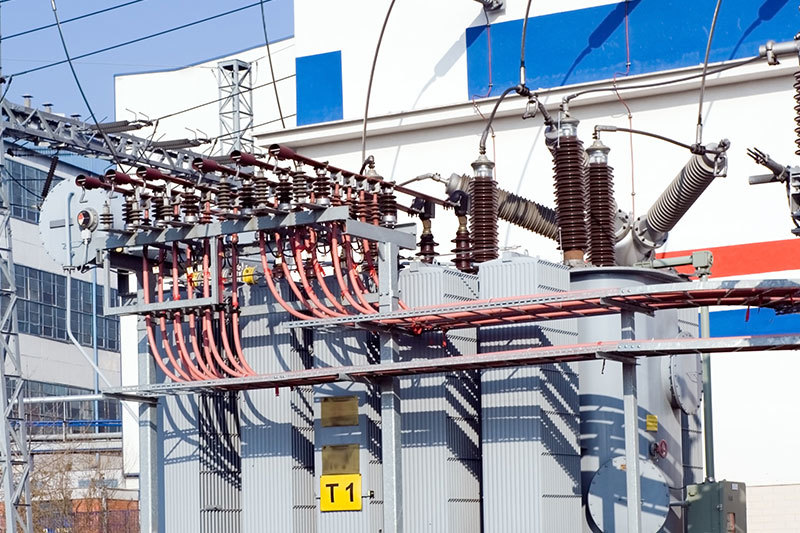
Transformer knowledge summary, take you to understand some transformer knowledge
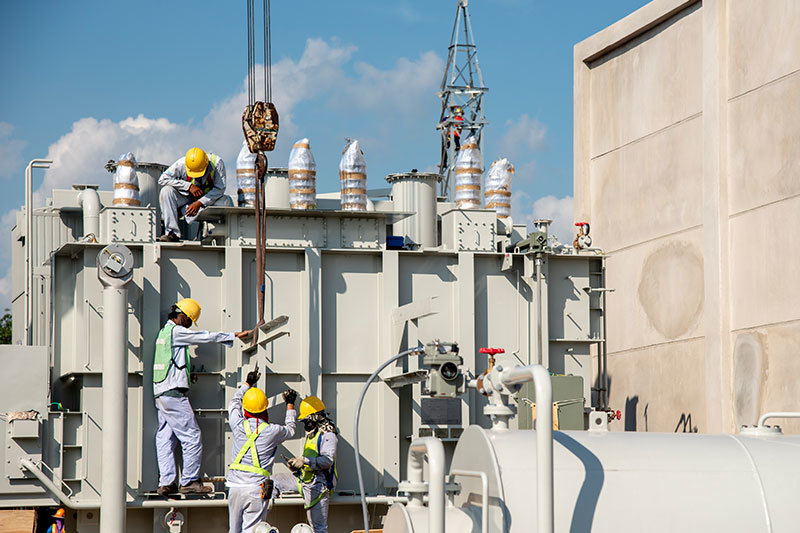
In AC circuit, the voltage will be increased or decreased equipment called transformer, transformer can be any value of voltage into the frequency of the same voltage value we need to meet the transmission of electric energy, distribution and use requirements.
2023/02/06
Analysis of core fault and tap switch fault of power transformer
In normal operation of a power transformer, the core must be somewhat reliably grounded. If there is no grounding, the suspension voltage of the core to the ground will cause intermittent breakdown and discharge of the core to the ground.
Hot Products


Official Website
Our Main Products
Can't find the service you're looking for? Contact us!
To inquire about our products, please leave your email to us and we will contact you within 24 hours.
Copyright:©Hebei Yachen Electric Co., Ltd. Poweredby:300.cn | SEO | Business License